

A backup routine has a practical purpose: helping you recover something you need. Seeing that a copying job has completed is reassuring, but retrieving a sample file tells you more about whether the routine serves that purpose.
Start with a small, non-sensitive test document. Record where it is stored, where its backup should appear and which date or version you expect to retrieve. Avoid testing by deleting the only original of an important file.
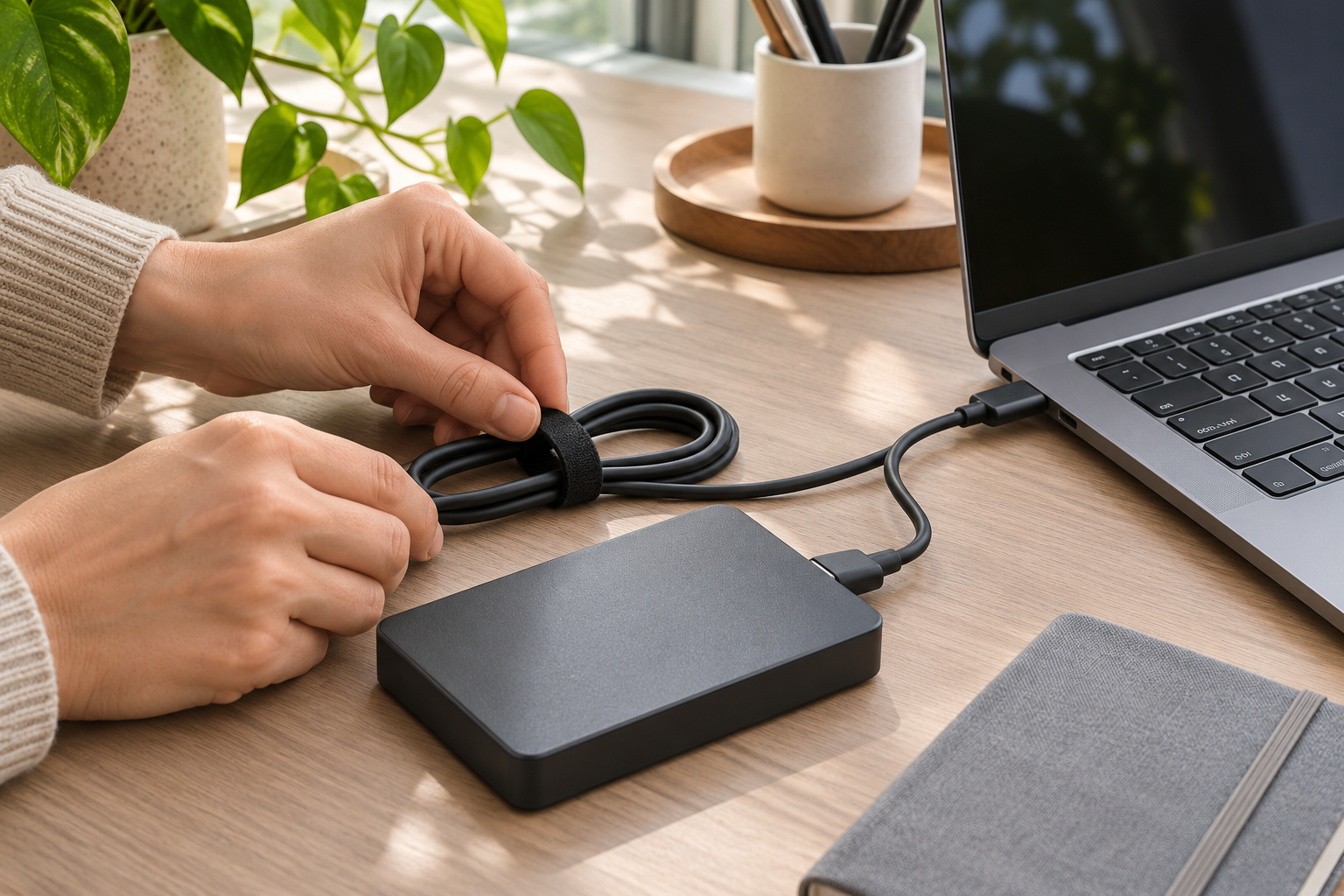
Recover the sample to a separate location and open it with the intended application. Check its content, not just the filename. If several people rely on the backup, make sure the person responsible understands the recovery process.
Keep a brief record of the check and any missing steps. Account access, encryption details or the location of a separate drive can become obstacles when they exist only in someone’s memory. Store any sensitive recovery information appropriately.
Repeat the check after a substantial change in devices or storage arrangements. A dependable routine is not simply a collection of copied files; it is a process you understand well enough to use when an ordinary mistake or equipment problem interrupts your work.