
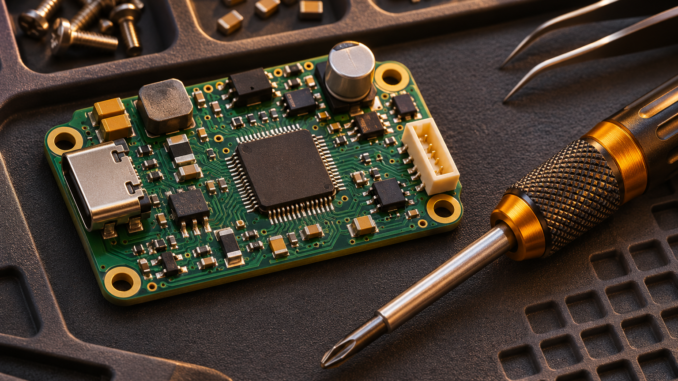
When an everyday device becomes inconvenient, replacement is only one possible response. A structured assessment can help you compare options without treating either repair or a new purchase as automatically best.
Begin with the problem you need to solve. Is the device damaged, missing an accessory or simply awkward for a new task? A precise description prevents a small inconvenience from being mistaken for complete failure.
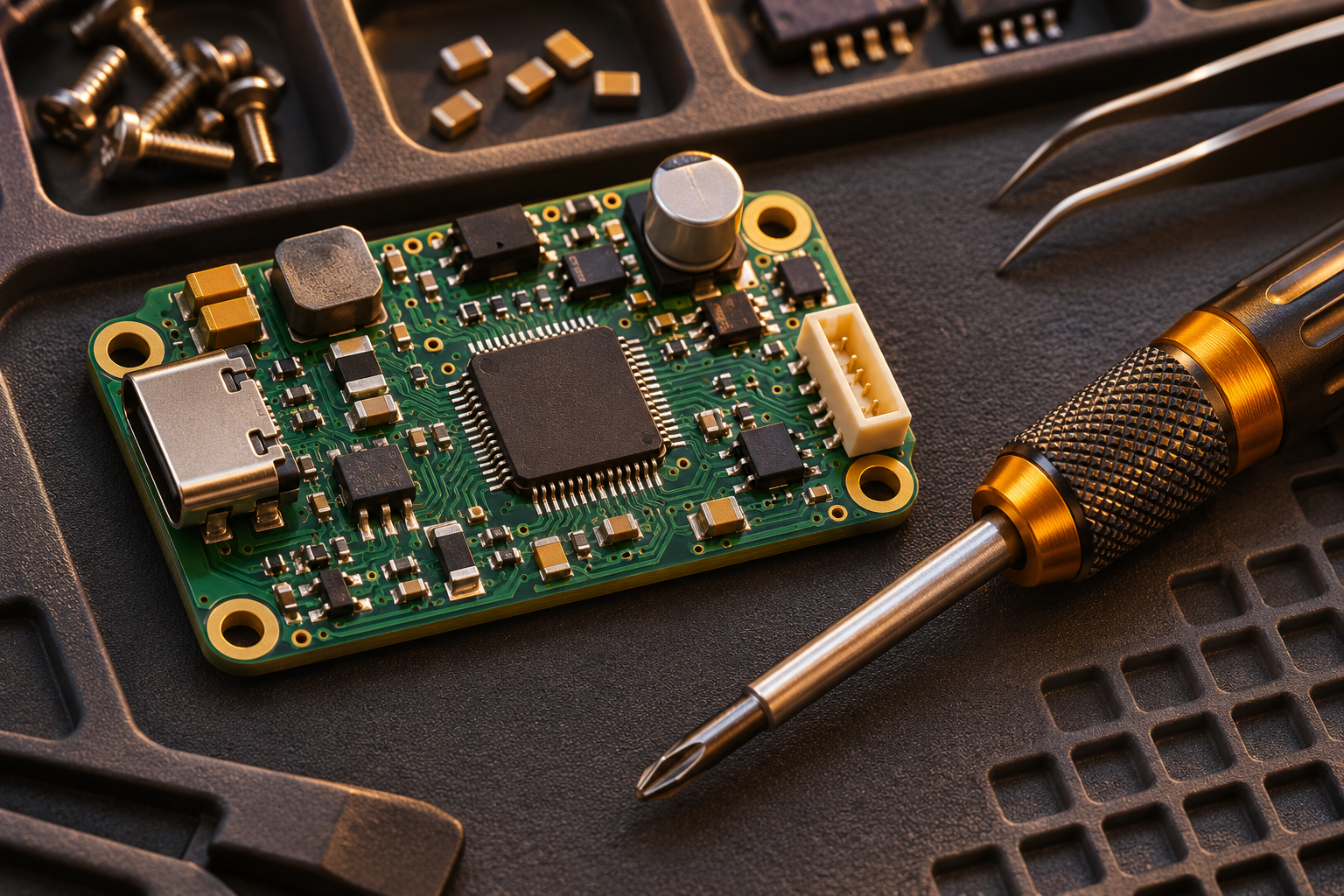
Gather the information needed for a comparison: a qualified repair estimate where appropriate, the availability of suitable parts, the expected interruption and the requirements of a replacement. Check compatibility rather than assuming an old accessory will fit.
Consider reuse separately from disposal. An item that no longer suits your main task may still serve another purpose if it remains safe and functional. Before transferring ownership, follow the relevant instructions for removing personal information.
Write down the trade-offs that matter to you, including cost, time and confidence in the result. The useful outcome is an informed choice for this particular device, supported by facts you can check rather than a general rule about keeping or replacing everything.